
Where Molecules Meet Medicine
The Neurochemistry of Neurodegenerative Diseases (NNDD) Research Group at the International Center for Neuroscience Research investigates how cell-surface receptors—especially G-protein–coupled receptors (GPCRs)—shape vulnerability, progression, and resilience across Alzheimer’s disease, Parkinson’s disease, ALS, multiple sclerosis, Huntington’s disease, and post-injury neurodegeneration. We connect receptor structure and signaling to cellular phenotypes, neural circuits, and behavior, keeping the emphasis on mechanisms that can be translated into biomarkers, imaging probes, and disease-modifying therapies.
Our mission is to decode receptor-mediated chemistry in brain health and disease and to convert that knowledge into better diagnostics and interventions that slow or prevent neurodegeneration. Our vision is a receptor-informed precision neuroscience in which selective modulators, rational combinations, and biomarker-guided trials restore network function rather than merely suppressing symptoms. To achieve this, we work across disciplines—pharmacology, neurochemistry, glial biology, computational analysis, and clinical neuroscience—within ICNR’s international collaboration ecosystem.
Precision Pharmacology, Real-World Impact!
We map GPCR signaling, trafficking, and crosstalk to define how they reshape synaptic plasticity, neuroinflammation, myelination, and proteostasis, establishing mechanistic anchors across models of neurodegeneration.
We test orthosteric and allosteric control—including positive and negative modulators plus emerging bitopic ligands—with emphasis on biased signaling that differentially recruits G-proteins versus β-arrestins pathways.
We probe metabolism–inflammation links via lipid-mediated neurotransmission and related receptor families, connecting energetic stress and immune tone to neuronal function, plasticity, and circuit resilience directly.
Precision Pharmacology, Real-World Impact!
We are synthesizing evidence on allosteric modulation across ionotropic receptors and GPCRs in Alzheimer’s disease—asking when “dial-like” modulators can safely rebalance pathways that govern memory and inflammation—focusing on muscarinic M1, mGluR5, and the calcium-sensing receptor, which show strong preclinical signals and instructive, mixed early clinical results to guide biomarker-anchored next steps. In parallel, our review of the orphan GPCR GPR149 highlights functions beyond reproduction: loss-of-function states resist diet-induced obesity and improve insulin sensitivity, while neural expression in glia and neurons links the receptor to myelination and neuroendocrine signaling, likely via MAPK/ERK. Because metabolism, inflammation, and myelin integrity sit at the core of neurodegeneration, defining GPR149’s ligands and signaling bias—alongside targeted allosteric strategies—could open convergent therapeutic avenues across metabolic and neurodegenerative disorders.
Multilevel Characterization of GPR149 in Obesity: Neurobehavioral, Molecular, and Electrophysiological Insights
Training and partnership are part of our DNA. We mentor students and early-career researchers through hands-on projects in receptor pharmacology and neurochemistry, and we work with academic, clinical, and industry partners to co-develop selective modulators and tracers, share cohorts and methods, and harmonize analytics for multi-site replication. If you are interested in collaboration, clinical translation, or training, we welcome you to connect with the NNDD Group to co-design studies that move receptor-guided ideas toward patient impact.
If you have questions about the group, please contact us

Collaborating Faculty
Collaborating Faculty
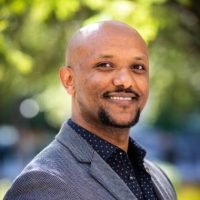
Collaborating Faculty
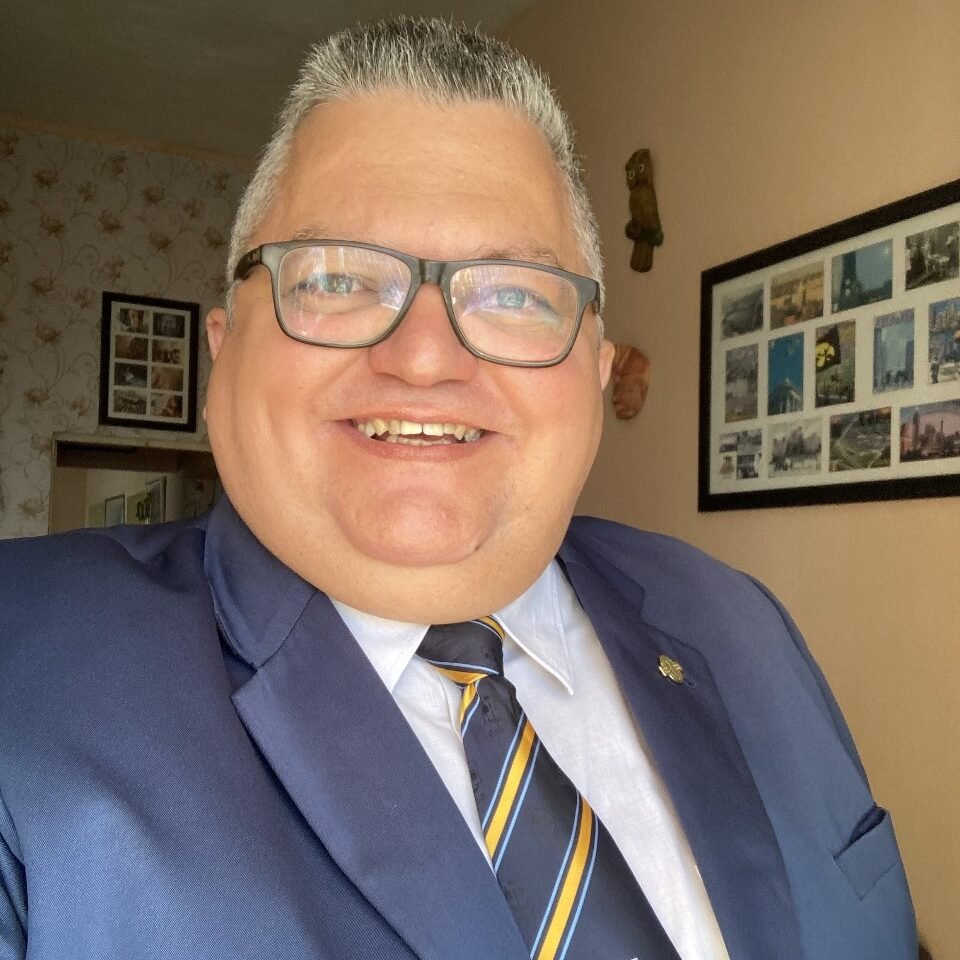
Collaborating Faculty
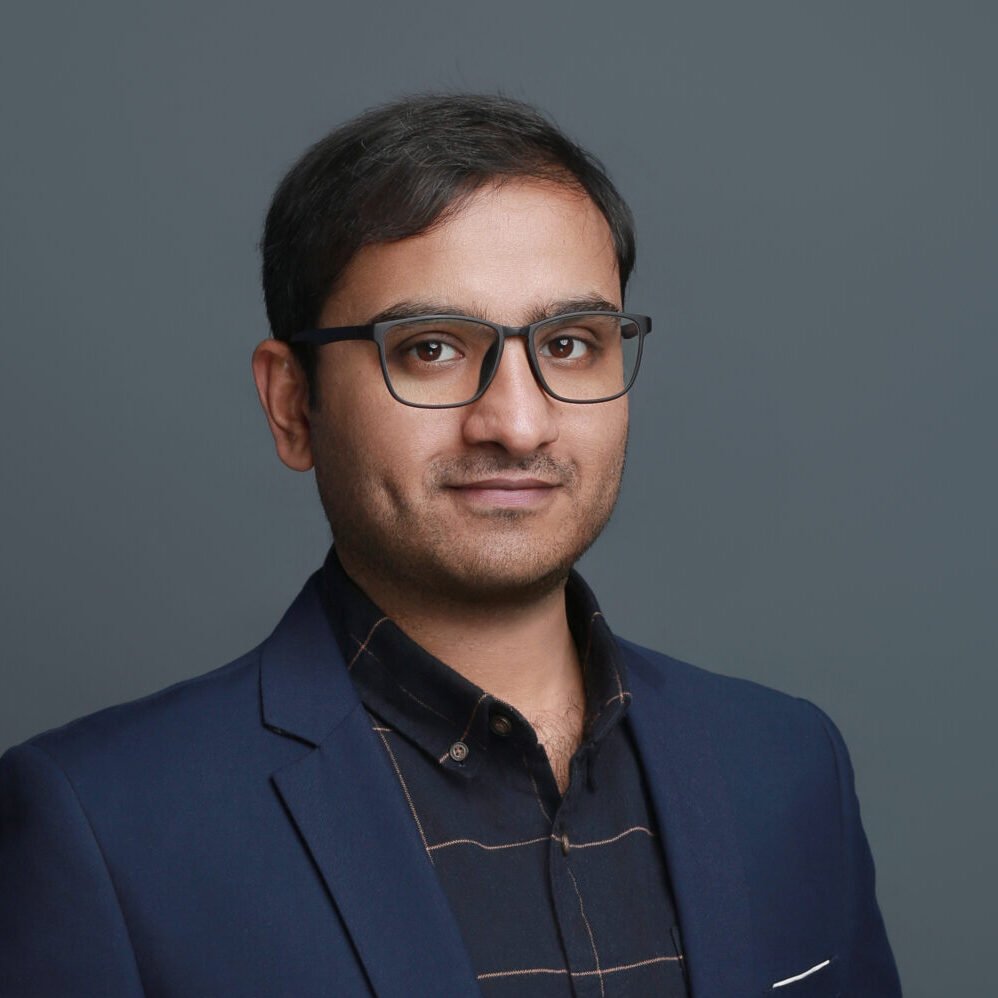
Affiliated Researcher
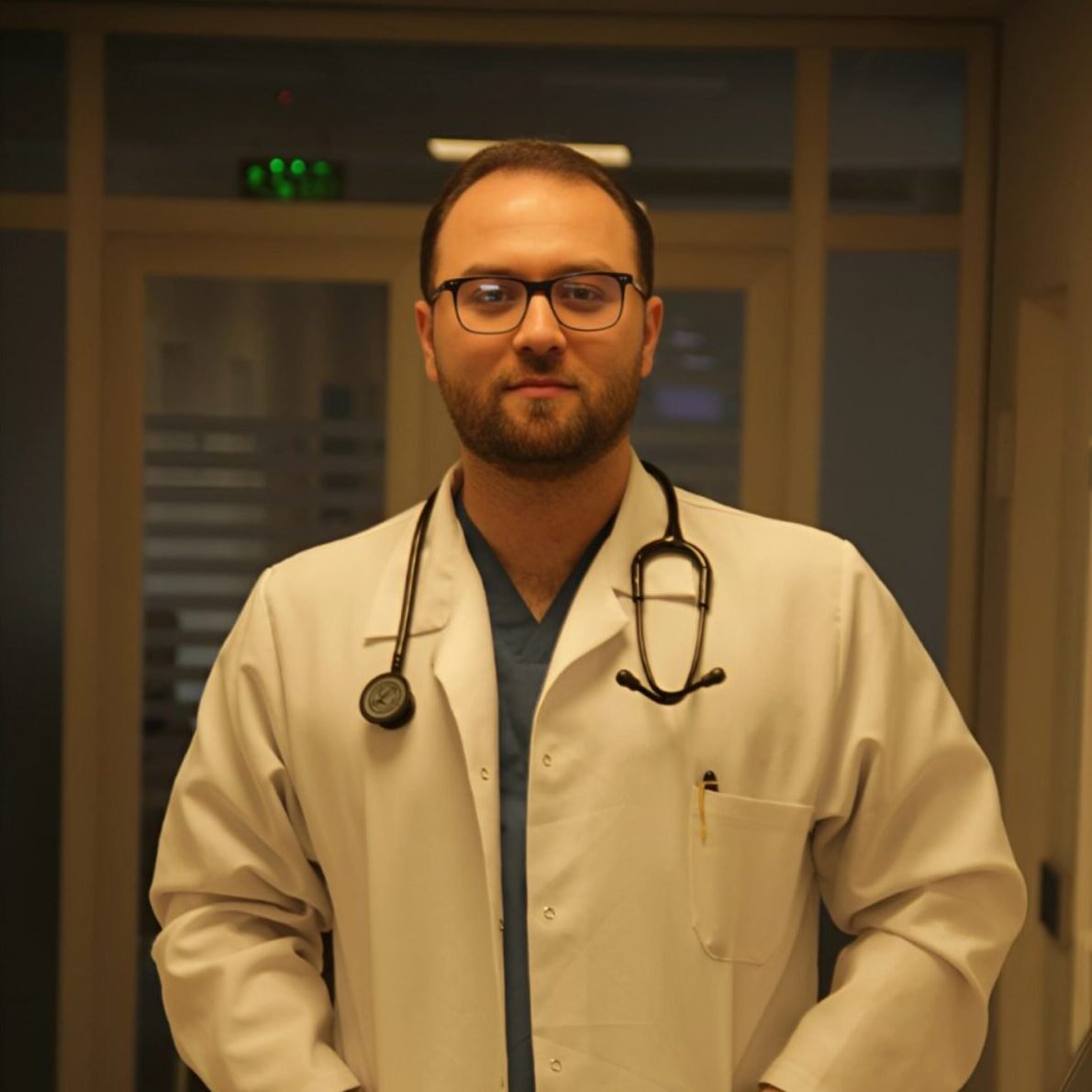
Affiliated Researcher
Affiliated Researcher
Affiliated Researcher

Affiliated Researcher
Professor International Islamic University Malaysia, Malaysia
Professor Osaka University, Japan
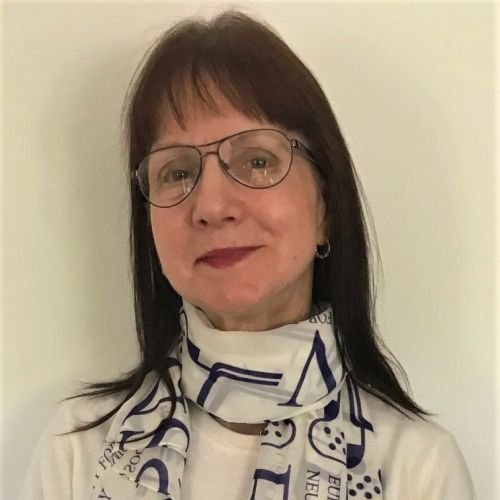
Professor University of Leeds, UK
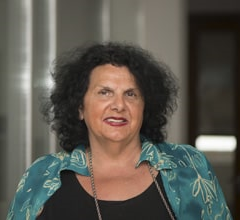
Professor Ilia State University, Georgia
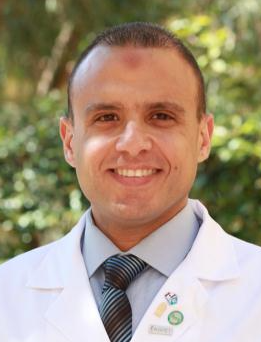
Professor Alalamein International University, Egypt

Professor Pasteur Institute of Tunisia, Tunisia